
Can Anyone Buy a Government Fleet Vehicle at a Public Auction?
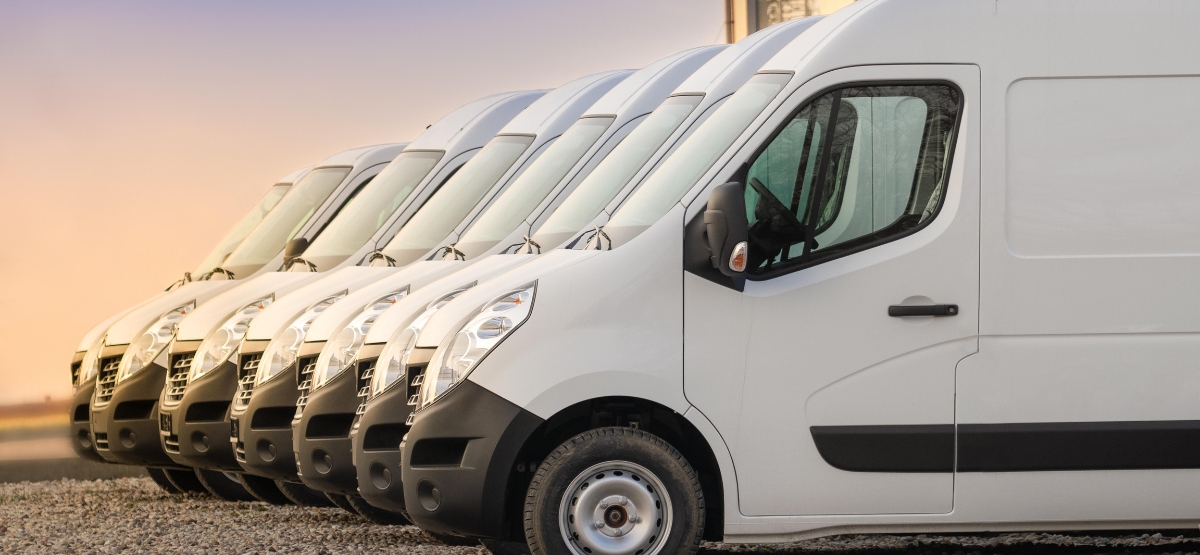
Government fleet vehicles are regularly sold when cities, counties, public utilities, transportation departments, school districts, and other agencies replace older units or reduce surplus inventory. These auctions can give individual buyers and businesses access to cars, pickup trucks, cargo vans, SUVs, buses, utility vehicles, and specialized equipment that may not be commonly available at traditional used-car dealerships.
Can anyone buy a government fleet vehicle at a public auction? In most cases, yes. You generally do not need to be a licensed automobile dealer to bid on a government vehicle that has been designated for public sale. However, buyers must still register, satisfy the auction’s identification and deposit requirements, review the terms of sale, and verify that the individual vehicle is available to public bidders.
General Auction Company conducts public and dealer auctions in Southern California featuring municipal vehicles, trucks, equipment, and other surplus property. Because eligibility and sales conditions can vary between auction events and individual lots, buyers should carefully review the current catalog before bidding.
What Is a Government Fleet Vehicle?
A government fleet vehicle is a car, truck, van, bus, or specialized unit previously owned or operated by a public agency. Government fleets may include vehicles used by administrative departments, public works crews, utility agencies, transportation services, parks departments, law enforcement agencies, fire departments, school districts, and municipal contractors.
Examples may include passenger sedans used by government employees, pickup trucks operated by maintenance departments, cargo vans used to transport equipment, utility-body trucks, dump trucks, buses, SUVs, trailers, and construction equipment.
When an agency purchases newer vehicles, changes operational needs, or determines that a unit is no longer required, the older vehicle may be declared surplus and sold through a public auction. Selling through a competitive auction allows the agency to transfer the vehicle to a new owner while recovering part of its remaining value.
Do You Need a Dealer License to Buy a Government Vehicle?
You usually do not need a dealer license when the vehicle is offered in the public portion of an auction. Private individuals, contractors, business owners, nonprofit organizations, and fleet operators may be able to register and bid.
However, public auctions can also include dealer-only inventory. At General Auction Company, public buyers are responsible for verifying that the vehicle they want is identified as a public vehicle rather than a dealer-only lot.
This distinction is important. Registering for a public auction does not automatically give a bidder permission to buy every vehicle in every auction lane. Always read the lot description and contact the auction company when the buyer-eligibility designation is unclear.
New buyers can review the company’s How to Buy guide before registering for an event.
Who Can Register for a Public Government Fleet Auction?
Most adults who can provide the required personal information, identification, payment method, and bidder deposit may register for a public auction. A business can also register when purchasing vehicles or equipment for commercial operations.
The auction company may require the bidder’s legal name, address, telephone number, email address, and payment information. Business buyers may need to provide additional company details. The information submitted during registration should match the information used for the bidder deposit and final payment.
Registration requirements can change, so buyers should rely on the current auction terms rather than assuming that procedures from a previous event still apply.
What Types of Government Fleet Vehicles Can the Public Buy?
Available inventory depends on which agencies are selling vehicles during a particular auction. One event may feature mostly passenger vehicles, while another may include commercial trucks, construction equipment, buses, trailers, and specialized municipal units.
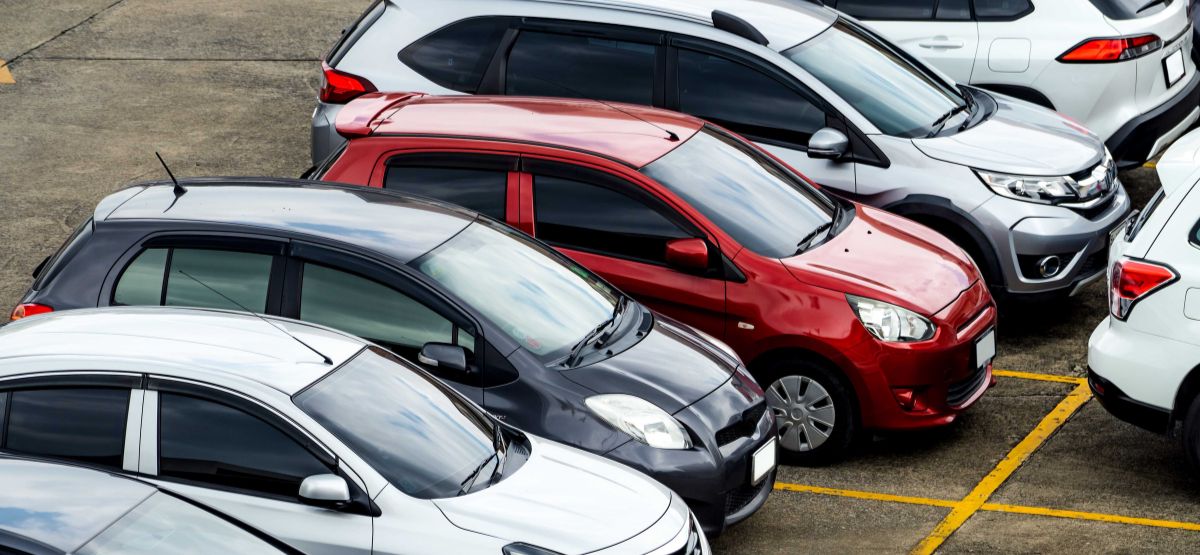
Public buyers may encounter sedans, compact cars, hybrid vehicles, SUVs, minivans, passenger vans, cargo vans, pickup trucks, service-body trucks, utility trucks, dump trucks, flatbeds, buses, motorcycles, trailers, tractors, loaders, and other equipment.
Some vehicles may have been used for ordinary administrative transportation, while others may have been exposed to demanding commercial or municipal work. Buyers should never assume that all government vehicles received the same use or maintenance.
Are Government Fleet Vehicles Well Maintained?
Government vehicles may have been maintained according to agency schedules, particularly when the vehicle was part of a large professionally managed fleet. Maintenance records, inspection reports, or service stickers may sometimes be available.
However, government ownership does not guarantee excellent condition. A vehicle may have high mileage, extensive operating hours, cosmetic wear, mechanical problems, missing equipment, warning lights, interior damage, or signs of demanding use.
A pickup truck used by a public works department may have experienced very different operating conditions than a sedan assigned to an administrative employee. Buyers should evaluate the individual vehicle rather than relying only on the government-fleet label.
Why Do Government Agencies Sell Fleet Vehicles?
A government agency may sell a vehicle because it has reached a replacement age, exceeded a mileage threshold, become more expensive to maintain, or is no longer needed. Agencies may also reduce fleets after changing programs, consolidating departments, completing projects, or purchasing vehicles with different capabilities.
A surplus designation does not always mean that a vehicle is inoperable. Some units may still have useful service life remaining. Others may require immediate repairs or may be best suited for parts, rebuilding, or specialized commercial use.
The reason for sale may not always be included in the auction description. That is another reason to inspect the vehicle and establish a conservative bidding limit.
How Do You Register to Bid at General Auction Company?
General Auction Company uses an online account and event-registration process. Creating a bidder account is the first step, but buyers must also register separately for the auction event in which they want to participate.
After selecting the event, the buyer must agree to the applicable terms and submit the registration. General Auction Company currently requires a refundable bidder deposit before bids are approved. Deposit verification may take time, so buyers should complete the process before auction day rather than waiting until bidding is about to begin.
The bidder’s name, email address, company information, and payment details should be entered consistently so the auction company can match the deposit to the correct account.
Review the detailed public auto auction registration guide and the official before-auction instructions before attempting to bid.
Can You Bid Online?
Yes. General Auction Company provides online bidding that allows approved buyers to review available inventory, leave advance bids, and participate in live bidding during the auction.
Before the sale, a bidder may be able to enter a maximum bid and allow the auction system to bid incrementally on the bidder’s behalf. During the live event, approved users can enter the live catalog and place bids in real time.
Internet bidders should confirm that their account is approved, their deposit has been verified, and their device and internet connection are working before the desired vehicle enters the auction.
The company’s How to Bid page explains the current online bidding process.
Can You Inspect a Government Fleet Vehicle Before Bidding?
Whenever an inspection period is available, buyers should use it. Photographs and written descriptions are helpful for narrowing the search, but they may not reveal every mechanical, electrical, cosmetic, or structural issue.
During an inspection, review the body, glass, tires, interior, dashboard, engine compartment, fluids, visible leaks, warning lights, odometer, equipment, keys, and identifying information. Confirm the year, make, model, VIN, mileage, fuel type, and included accessories.
When permitted, consider bringing a qualified mechanic or someone experienced with the type of vehicle being sold. Specialized trucks and equipment may require a more detailed evaluation than an ordinary passenger car.
If an inspection is unavailable or limited, account for the additional uncertainty when setting the maximum bid.
Are Government Fleet Vehicles Sold As Is?
Auction vehicles are commonly sold on an “as is” and “where is” basis. This generally means the buyer accepts the vehicle in its existing condition, with visible and hidden defects, and is responsible for verifying the lot information before bidding.
General Auction Company states that sales are final and that descriptions are provided for reference. The bidder has the responsibility to confirm the condition, size, year, make, model, configuration, and value of the item.
Public auction buyers should not expect the protections, return options, repair promises, or warranties that may be offered by a traditional retail dealership. The possibility of repairs should be included in the total budget before bidding begins.
Should You Order a Vehicle History Report?
When the VIN is available, a vehicle history report may provide useful information about title events, reported accidents, ownership history, registration records, odometer entries, and previous uses.
A history report is not a substitute for a physical inspection. Not every accident, repair, mechanical problem, or maintenance event is reported to a history database. The strongest evaluation combines the auction description, vehicle history, available maintenance records, physical inspection, and realistic repair estimates.
What Documents Should You Review?
Before bidding, review the title information, VIN, odometer disclosure, auction announcement, lot description, terms and conditions, payment deadline, removal deadline, and any available maintenance or condition information.
Some vehicles may have title conditions or documentation requirements that affect registration, insurance, resale, financing, or future use. Buyers should understand whether the vehicle comes with a standard title, salvage documentation, bill of sale, or another ownership document.
Do not assume that every auction vehicle can be immediately registered for ordinary road use. Specialized government vehicles may require modifications, inspections, equipment removal, emissions compliance, or additional documentation.
How Much Should You Bid?
A smart maximum bid should be based on the vehicle’s realistic value after considering its condition and every additional cost. Research comparable vehicles with similar mileage, age, configuration, title status, and equipment.
Then subtract the estimated cost of repairs, overdue maintenance, tires, batteries, transportation, registration, emissions work, insurance, missing equipment, and other anticipated expenses.
The winning bid is not necessarily the final amount paid. Buyer’s premiums, taxes, DMV charges, processing fees, lot fees, transportation expenses, and repairs may increase the total cost.
Establish the maximum total investment before the auction starts. Competitive bidding can move quickly, and buyers who focus only on winning may pay more than the vehicle is worth to them.
What Happens After You Win?
After the auction, the winning bidder receives an invoice showing the purchased lots and applicable charges. Payment must be completed using an accepted method within the required period.
The buyer must also schedule pickup and remove the vehicle before the auction’s deadline. Storage fees or other consequences may apply when a purchased lot is not removed on time.
Transportation should be arranged before bidding on a vehicle that may not start, run, pass inspection, or be legally driven from the auction facility. Depending on the condition, the buyer may need a trailer, tow truck, commercial transporter, temporary permit, or other removal plan.
Review General Auction Company’s after-auction requirements for current payment and removal instructions.
Are Government Fleet Vehicles Good for Small Businesses?
Government fleet auctions may be useful for contractors, delivery companies, landscapers, repair businesses, transportation providers, property-maintenance companies, farms, and other organizations that need vehicles or equipment.
A business may find work trucks, vans, service bodies, trailers, utility equipment, or specialized units at auction. Buying used fleet vehicles can allow a company to expand operations without paying the retail price of a new commercial vehicle.
However, downtime and repair expenses can be costly for a business. Commercial buyers should inspect carefully, maintain a repair reserve, and avoid depending immediately on an auction vehicle until its mechanical condition has been fully evaluated.
Are Government Fleet Vehicles Good for First-Time Auction Buyers?
A government fleet vehicle can be suitable for a first-time auction buyer who prepares carefully and understands the risks. The buyer should learn how registration, deposits, bidding, payment, pickup, and ownership documents work before placing a bid.
First-time buyers should focus on vehicles they understand, inspect whenever possible, research market value, and avoid complicated specialty equipment unless they have relevant experience.
Starting with a clear budget and one or two carefully researched vehicles is generally safer than trying to evaluate an entire auction catalog during live bidding.
What Is the Difference Between a Public Auction and a Dealer-Only Auction?
A public auction allows eligible members of the general public to register and bid on designated lots. A dealer-only auction limits bidding to licensed dealers or other specifically authorized buyers.
Some auction events contain both public and dealer inventory. A public bidder may therefore be approved for the auction but still be ineligible to purchase a particular dealer-only vehicle.
Always confirm the eligibility designation before bidding. Contact the auction company when the catalog does not clearly indicate whether the lot is open to public buyers.
Find Government Fleet Vehicles at a Southern California Public Auction
Government fleet auctions can provide opportunities for individuals and businesses searching for used cars, pickup trucks, vans, utility vehicles, commercial trucks, and equipment. Public access does not eliminate the need for preparation. Successful buyers carefully inspect the available inventory, research values, understand the fees, confirm title information, and set firm bidding limits.
General Auction Company serves buyers throughout Southern California from its auction facility in Redlands. Inventory can attract bidders from San Bernardino County, Riverside County, Orange County, Los Angeles County, and communities throughout the region.
Visit the upcoming auctions page to review scheduled events, or contact General Auction Company with questions about public bidding, registration, vehicle eligibility, deposits, or upcoming government fleet inventory.
FAQs
1. Can an individual buy a government fleet vehicle at a public auction?
Yes. An individual can generally register and bid on government fleet vehicles designated for public sale. The buyer must meet the auction’s registration, deposit, identification, payment, and pickup requirements.
2. Do I need an automobile dealer license to bid?
A dealer license is generally not required for vehicles specifically identified as public-auction inventory. Some auction events also include dealer-only vehicles, so bidders must confirm the eligibility of each lot.
3. Can a business buy multiple government vehicles?
Yes. Businesses may be able to purchase multiple vehicles or pieces of equipment, subject to the auction’s bidding limits, deposit requirements, payment rules, and available inventory.
4. Are government fleet vehicles guaranteed to run?
No. Government ownership does not guarantee that a vehicle starts, runs, drives, passes an emissions inspection, or is ready for immediate road use. Review the description and inspect the vehicle whenever possible.
5. Are public auction vehicles sold with a warranty?
Auction vehicles are commonly sold as is and without a retail warranty. Buyers are responsible for evaluating the condition and considering potential repair costs before bidding.
6. Can I inspect a fleet vehicle before the auction?
Inspection opportunities may be provided before the sale. Check the auction schedule and event terms for the applicable viewing dates, times, location, and inspection limitations.
7. Can I bid on a government fleet vehicle online?
Yes. General Auction Company provides online bidding for approved bidders. Buyers should register for the specific event, submit the required deposit, and obtain approval before the live auction begins.
8. What additional fees are charged after the winning bid?
The final invoice may include a buyer’s premium, taxes, DMV charges, processing fees, lot fees, and other applicable costs. Review the current auction terms before calculating a maximum bid.
9. How do I know whether a vehicle is public or dealer-only?
Review the vehicle’s lot description and auction designation. When the eligibility is unclear, contact General Auction Company before bidding to confirm that the vehicle is available to public buyers.
10. Where can I find upcoming government fleet auctions in Southern California?
General Auction Company publishes scheduled sales and registration information on its upcoming auctions page. Available government and municipal inventory varies from one event to another.
Disclaimer: Auction inventory, registration requirements, deposits, buyer’s premiums, payment methods, public-buyer eligibility, inspection periods, and removal deadlines may change. Review the official terms and conditions for the specific auction before registering or bidding.