
What Should You Check Before Buying A Pickup Truck At Auction?
Buying a pickup truck at auction can be a smart way to get real value, especially if you are trying to avoid retail pricing and dealer markups. Auctions often include fleet trucks, contractor trucks, government surplus vehicles, and trade-ins that still have plenty of life left in them. At the same time, auctions move quickly, most items sell as-is, and buyers are expected to do their own due diligence. The difference between a great deal and a costly mistake usually comes down to preparation and inspection.
If you approach an auction the same way you would approach any serious purchase, you can reduce risk and improve your chances of ending up with a reliable truck. That means knowing what you need, verifying key details, and checking the specific problem areas that pickup trucks commonly develop under heavy use.
Start By Defining What You Need The Truck To Do
Before you look at any listings, clarify how the pickup truck will be used. A daily driver has different requirements than a work truck that will carry tools, tow trailers, and take repeated jobsite wear. Your use case should dictate what engine size, drivetrain, bed length, payload, and towing capacity you need. It should also determine how much risk you can tolerate. If the truck must be operational immediately for business, you should prioritize trucks that clearly run and drive and show signs of consistent maintenance.
If your goal is value and long-term reliability, you should be cautious about buying a truck that is heavily modified or one that appears to have been pushed beyond typical use. Lift kits, oversized tires, aggressive tuning, or aftermarket wiring can be fine if done correctly, but auctions rarely provide enough information to confirm workmanship. In many cases, stock or lightly modified trucks are the safer buy for most bidders.
Read The Listing With A Buyer’s Mindset
Auction listings can be helpful, but they are not a warranty. Photos, mileage, and basic notes are a starting point, not a complete story. You should read the listing carefully and pay attention to what is missing as much as what is included. If the listing does not clearly indicate whether the truck starts and drives, or if it lacks basic information like title status, it means you need to confirm those items during preview or treat the truck as higher risk in your bidding plan.
One of the most common mistakes buyers make is assuming that a clean-looking truck in photos is mechanically sound. Photos can hide rust, leaks, electrical problems, and drivetrain issues. If preview is available, plan to attend. If you are bidding online and cannot preview, be conservative and focus on trucks with clear descriptions, good documentation, and consistent photos from multiple angles.
Verify The VIN And Title Status Before You Commit
The VIN is not a small detail. It is the truck’s identity, and it is the foundation of title transfer, registration, insurance, and resale value. If you inspect the truck in person, confirm the VIN on the truck matches the VIN on the listing and paperwork. Look for inconsistencies, missing VIN stickers, or plates that look tampered with. If something feels off, you should walk away. A good deal is never worth a paperwork nightmare.
Title status matters just as much. Clean title vehicles usually offer the simplest ownership path and the strongest resale value. Salvage, rebuilt, or branded titles can be workable for certain buyers, but they often come with insurance limitations, inspection requirements, and lower market value. If you are buying for business use, delays in registration can cost you revenue. Make sure you understand what documentation is required and what the timeline looks like for getting the truck road-ready in your area.
Walk The Exterior Slowly And Look For Work Truck Clues
Pickups are frequently used for hauling and towing, which means the exterior often reveals how the truck has been treated. You should walk around the truck and look for panel alignment issues, mismatched paint, signs of bodywork, or overspray on trim and weather seals. These can suggest collision repairs that may or may not have been done properly. Dents and scratches are not always deal breakers, but they can help you understand the truck’s history.
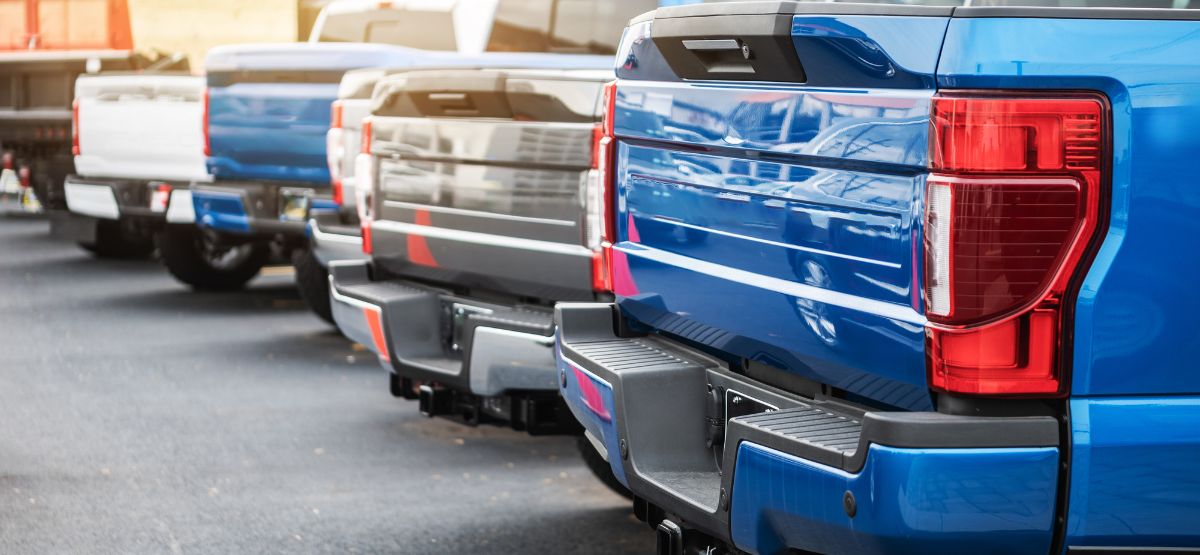
The bed deserves extra attention. A bed that is deeply gouged, bent, or deformed can indicate heavy loads and hard use. Check the bed rails, tie-down points, tailgate alignment, and any evidence of a fifth-wheel or gooseneck setup if applicable. Frequent heavy towing can accelerate wear on drivetrains and suspension, so external towing clues should trigger deeper checks in those areas.
Look Underneath For Rust, Leaks, And Frame Concerns
A clean interior and shiny paint do not matter if the frame is compromised. Frame condition is one of the most important checks at any auction because severe rust, cracks, or repairs can make a truck unsafe and extremely expensive to correct. If possible, look under the truck for rust scaling, corrosion around mounting points, and any signs of bending or welding that suggest structural repair.
While you are under there, look for fluid leaks. Leaks from the engine, transmission, transfer case, or differentials can signal upcoming repairs. Some leaks may be minor, but others may indicate internal wear. If you see fresh undercoating only in certain sections, be cautious. Selective undercoating can sometimes be used to hide rust or repairs.
Use Tires And Suspension As A Window Into The Truck’s Life
Tires can tell you a lot quickly. Uneven wear patterns can point to alignment problems, suspension wear, or steering issues. Cracked sidewalls and dry rot indicate age and immediate replacement needs. Mismatched tires can suggest inconsistent maintenance. None of this automatically eliminates a truck from consideration, but it should influence price. If you need to buy four tires immediately, that should be reflected in your maximum bid.
Suspension also matters because pickups carry weight. If the rear end sags, if the truck sits unevenly, or if components look worn, it may indicate chronic overloading. A worn suspension can be repaired, but the costs can add up when you include parts, labor, and alignment. A smart auction buyer estimates these costs before bidding, not after winning.
Open The Hood And Look For Evidence Of Maintenance Or Neglect
You do not need to be a mechanic to spot warning signs in the engine bay. Look for oil leaks around common areas, coolant stains near hoses and radiator connections, and brittle belts or cracked hoses. Check the battery area for corrosion and pay attention to wiring. If you see messy aftermarket wiring, it can mean future troubleshooting headaches.
Cooling systems deserve extra attention because pickups used for towing can run hot. Overheating history is one of the fastest ways to shorten engine life. You should look for low coolant, stains, or signs of contaminated fluids. If you are allowed to start the truck, monitor how it idles and watch for abnormal smells or smoke. Even a few minutes of observation can reveal problems that photos never show.
Pay Close Attention To Transmission And Drivetrain Behavior
Transmission repairs can erase the value of an auction purchase quickly. If the auction allows the truck to move under its own power, pay attention to engagement and shifting. Delayed engagement, slipping, harsh shifts, or a burnt smell can suggest internal wear. For trucks that have been used for towing, transmission condition is especially important.
If the truck has four-wheel drive, confirm it engages properly if possible. Drivetrain issues can show up as clunks, vibrations, or inconsistent power delivery. In some cases, those symptoms may be minor, but at an auction you should assume you will not have time for detailed diagnosis. That is why pricing in risk is essential.
Check The Interior For Signs Of Hard Use And Water Issues
Interior condition is not just about comfort. It can tell you how the truck was treated day to day. Excessive wear, broken controls, and heavy grime can suggest neglect. More importantly, you should watch for signs of water intrusion such as mildew smells, damp carpet, or staining. Water issues can lead to electrical problems that are difficult to solve.
If you can turn the key on, look at the dashboard. Warning lights should illuminate and then turn off as expected. Persistent lights can point to emissions, drivetrain, or safety system problems. Some issues may be simple, but others can be costly, especially in modern trucks.
Build Your Maximum Bid Around Total Cost, Not Just The Hammer Price
Winning the auction is not the same as getting a good deal. The best buyers calculate total cost before they bid. That includes buyer fees, taxes, registration costs, transportation, and expected repairs. If you are buying the truck for work, also consider downtime. A cheaper truck that requires weeks of repairs can cost more than a slightly higher priced truck that goes into service immediately.
A practical way to set your maximum bid is to start with realistic market value for a similar truck in your area, then subtract the costs you expect to incur right away. Leave room for unknowns, because auctions come with uncertainty. This discipline is what keeps you from overbidding when the auction energy ramps up.
Plan Transport And Your Post Win Steps In Advance
A lot of buyers lose money after they win because they did not plan the logistics. Auction pickup windows can be strict, and storage fees can apply. If the truck is not roadworthy, you will need towing or transport lined up. You should also plan to complete a full inspection immediately after purchase and perform baseline maintenance such as fluids, filters, brakes, and tires if needed.
This is where auction savings become real. A pickup truck that is quickly serviced and placed into reliable operation is an asset. A pickup truck that sits because of logistics issues or surprise repairs becomes a drain on time and cash flow.
Find Pickup Trucks Through General Auction Company
If you are looking for a pickup truck at a price that supports your budget, auctions can be a practical buying channel when you approach them with the right process. At General Auction Company, buyers can explore a rotating selection of vehicles and participate in a structured auction format designed for clear bidding and efficient purchasing.
To view current inventory and auction dates, visit the upcoming auctions page. When you inspect carefully, set a realistic maximum bid, and plan your post win steps, you can buy a pickup truck at auction with confidence and walk away with real long-term value.